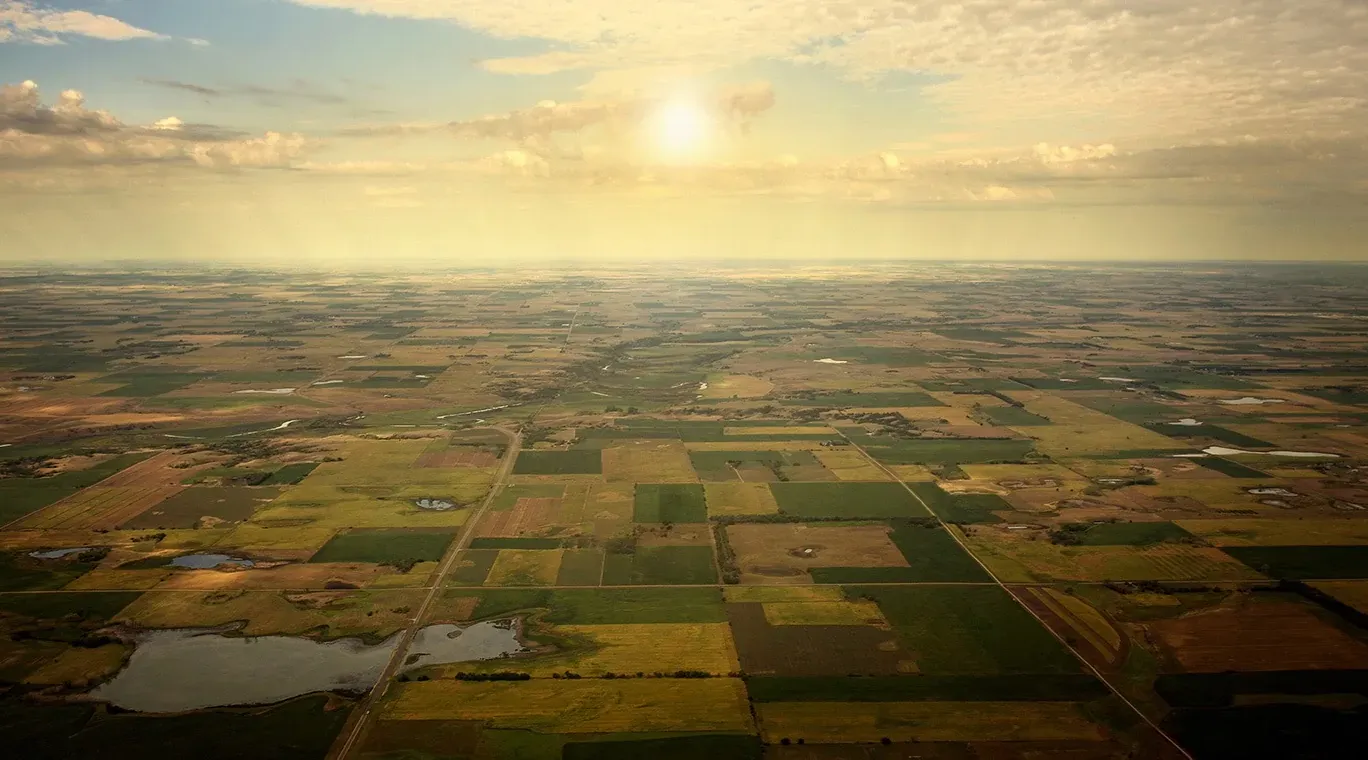
Cattle Meets Opportunity Zones.
Whether you're new to Opportunity Zones or ready for something different, we're bringing a fresh approach to rural investing—anchored in cattle.
See What Makes Us Different
What Are Opportunity Zones?
Opportunity Zones were created to encourage investment in communities with room to grow. To make that happen, the government offers special tax incentives to people who invest eligible capital gains in qualifying businesses and projects within these areas.
For investors facing significant capital gains taxes, Opportunity Zones can offer a way to put that money back to work while potentially reducing their taxes.
Curious how it works? We'll walk you through it.
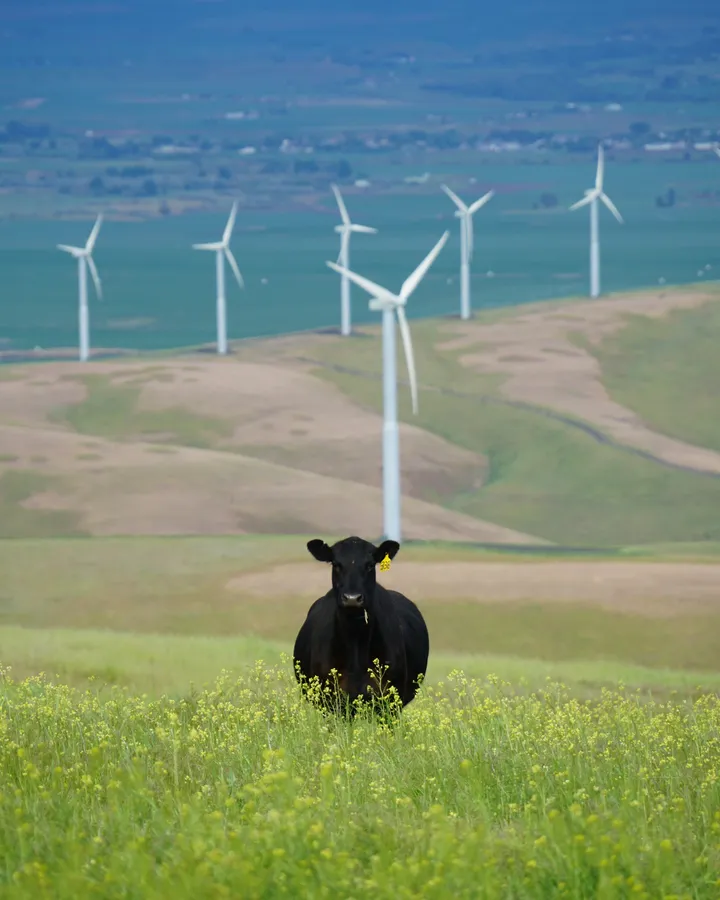
Why Cattle?
We're called Anchor OZ because we're anchoring our investment strategy in what we know best: cattle. While most Opportunity Zone funds have focused on real estate, we're building on our agricultural experience to explore a broader range of rural opportunities.
Cattle are a big part of rural America's economy. Compared with many real estate projects, cattle operations have shorter production cycles, established agricultural markets, and the potential to put investment dollars to work again and again.
Cattle is our starting point, but our vision doesn't stop there. We're excited about the opportunities rural America has to offer, and we'd love for you to learn more about our approach—or share your ideas about where we could go next.
Room to explore rural possibilities
- Operating
knowledge - Market
understanding - Rural
relationships
Meet our Founder
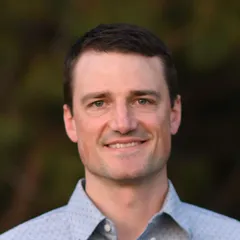
Mitch Minarick
Rural roots. A practical approach.
I grew up on a family farm in Nebraska, and my wife and I are raising our two boys here. That connection to rural life, along with my engineering background and years of working with cattle producers and investors, shape how we approach Anchor.
Anchor was started to connect that experience with opportunities in rural America, beginning with cattle. If you're curious about what we're building, have a question, or see a rural opportunity worth exploring, I'd love to hear from you.
More about MitchHis roots, experience, and vision for Anchor.
Mitch grew up on a family farm in Nebraska, where he learned firsthand the challenges—and opportunities—that come with agriculture. He went on to study Mechanical Engineering at the University of Nebraska and Agricultural & Biological Engineering at the University of Illinois. His background brings together rural roots, business experience, and a knack for finding smarter ways to do things.
Through years of working with investors, cattle producers, and agricultural partners, Mitch has developed a practical understanding of rural investments and the relationships that make them work. When he saw new possibilities emerging through Opportunity Zone legislation, he saw an opportunity to bring that experience to something bigger: Anchor OZ.
Starting with cattle, Mitch's vision is simple: help investors discover opportunities they might otherwise overlook while bringing more investment into rural America.
For Mitch, investing in rural America is more than a business strategy. Nebraska is home, and it's where he and his wife Sarah are raising their two boys, John and Charlie.
Common Questions
What is Anchor OZ developing?
Anchor is researching and developing a potential cattle-led rural Opportunity Zone strategy. The structure and availability remain subject to legal, tax, and operating review. No investments are offered through this website.
Why does the strategy start with cattle?
Cattle is where our agricultural experience and producer relationships begin. We're building from that knowledge as we explore opportunities in rural America. Learn more about why we start with cattle.
Where can I learn about Opportunity Zones?
Our Opportunity Zones 101 guide introduces the program and the questions to discuss with your advisors. If you'd like to talk about Anchor's approach, Mitch would welcome the conversation.
Does this website provide tax, legal, or investment advice?
No. This site provides general education and a way to request information. Rely on your own qualified advisors for advice about your circumstances, eligibility, timing, and risks.
Should I send financial or tax documents through the contact form?
No. Please don't send tax returns, account statements, Social Security numbers, banking details, or other sensitive financial or identity information. Your name, email, and a brief question are enough to start a conversation.